

Moving can be stressful, but proper packing makes all the difference. Learn expert packing strategies from Fuller Moving Services, trusted movers in Roseville, to protect your belongings, minimize damage, and enjoy a smooth relocation. Discover professional tips, materials, and techniques for a stress-free moving day.
Packing materials are your first line of defense against damage during transit. Here are some common materials that professional movers rely on:
Boxes of Various Sizes
Professional movers utilize a variety of boxes, from small to large, to accommodate different items. They often use:
Bubble Wrap and Packing Paper
Both bubble wrap and packing paper are essential for cushioning fragile items. Bubble wrap offers superior protection due to its air-filled pockets, while packing paper is excellent for wrapping dishes and glassware.
Packing Peanuts and Foam
For void filling and extra cushioning, professionals often use packing peanuts or foam inserts. These materials prevent movement within the box and protect items from impact.
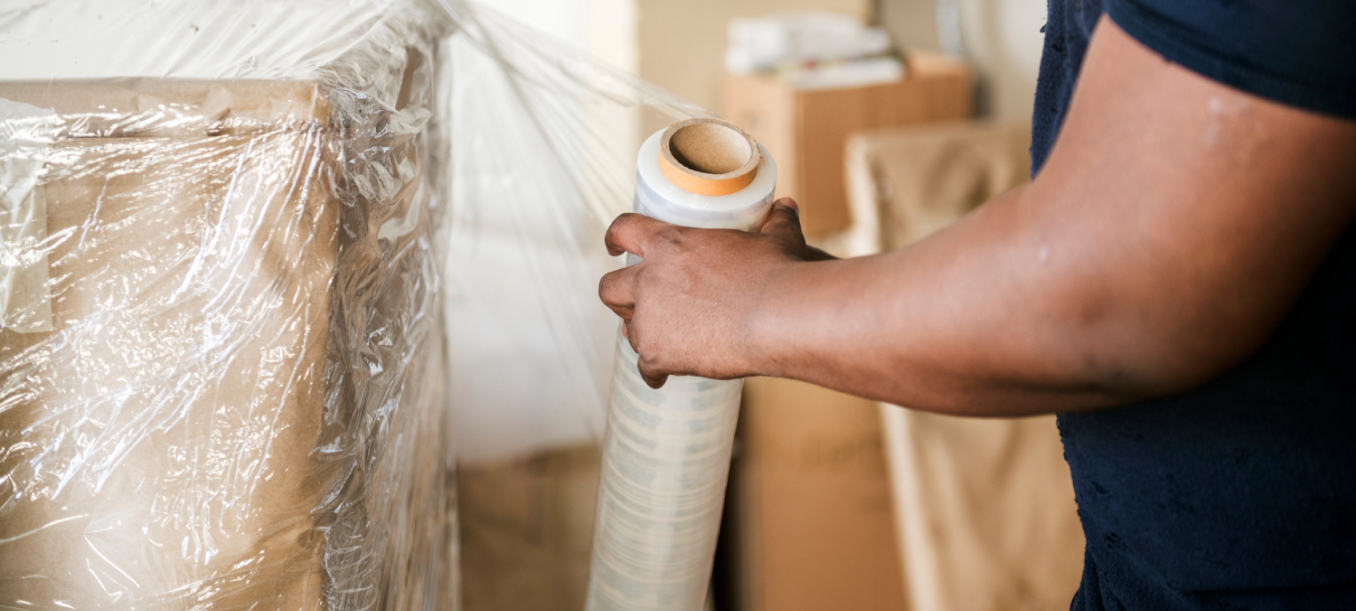
Stretch Wrap and Tape
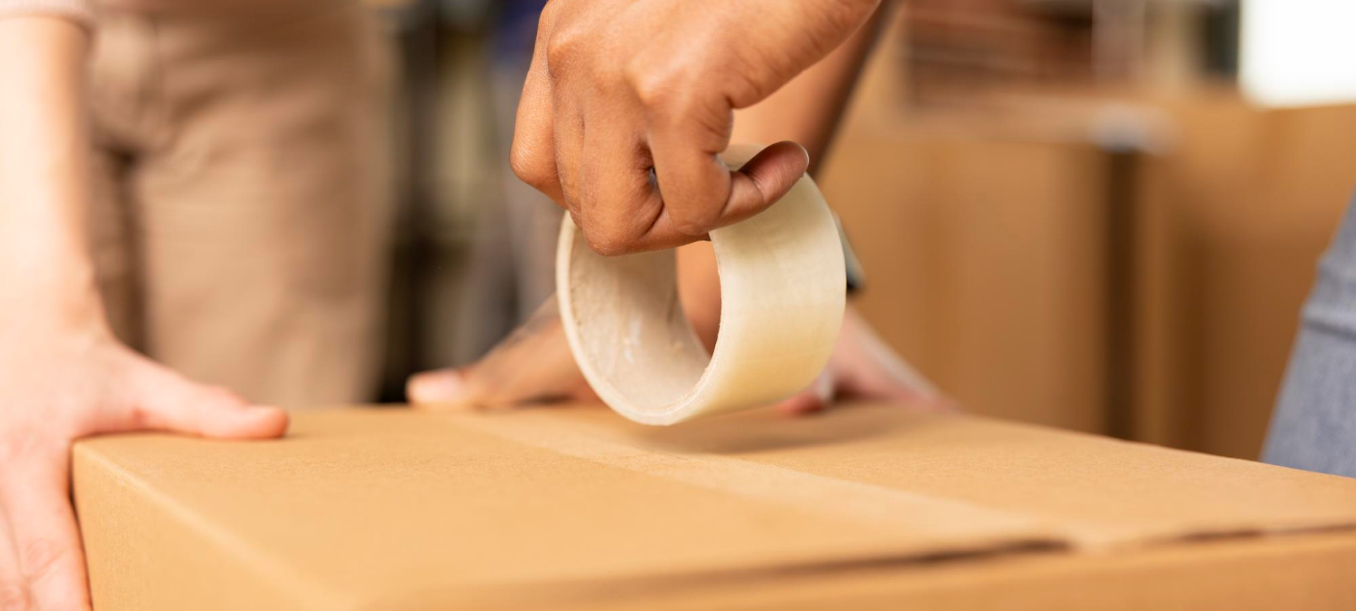
Stretch wrap is often used to secure furniture and protect it from scratches, while high-quality packing tape ensures that boxes remain sealed during transit.
Packing fragile items requires extra care and the right techniques to prevent breakage. Here are some tips:
Use Quality Packing Materials
Invest in bubble wrap, foam, and sturdy boxes specifically designed for fragile items.
Wrap Individually
Wrap each fragile item individually before placing it in a box. This minimizes the risk of items colliding during transit.
Fill Empty Spaces
Avoid empty spaces in the box by using packing paper or peanuts. A snug fit keeps items from shifting.
Label Boxes Clearly
Label boxes containing fragile items with “FRAGILE” on multiple sides to alert movers to handle them with care.
Proper labeling of moving boxes can save you time and effort when unpacking. Here’s how to do it effectively:
Use Clear and Descriptive Labels
Include specific descriptions of the contents, like “Kitchen – Glasses” or “Living Room – Books.” This helps you prioritize unpacking.
Color-Coding
Consider using color-coded labels for different rooms. For example, blue for the kitchen, red for the living room, etc. This visual cue makes it easy for movers and yourself to identify where each box belongs.
Mark Fragile Items
Clearly mark boxes containing fragile items. Use both labels and colored tape for added visibility.
Number Your Boxes
Create an inventory list by numbering your boxes. This way, you can easily check off each box as it’s unloaded.
Deciding whether to hire professional packing services or do it yourself can be a tough call. Here are some factors to consider:
Time and Convenience
If you’re short on time or overwhelmed, professional packers can save you hours and stress. They have the experience to pack efficiently and securely.
Cost Considerations
While hiring movers incurs an additional expense, it could save you from potential losses due to damaged items. Evaluate your budget to determine what’s feasible.
Expertise
Professional movers know how to pack items safely and efficiently. If you’re unsure about packing fragile or valuable items, hiring professionals might be the best option.
Personal Preference
Some people enjoy the process of packing and prefer to handle it themselves. If that’s you, consider using the tips and materials mentioned in this guide to ensure a safe move.
Electronics can be particularly vulnerable during a move. Here’s how to pack them safely:
Use Original Packaging
If possible, use the original boxes and packaging materials for your electronics. These are designed to provide the best protection.
Disconnect and Organize Cables
Before packing, disconnect all cables and label them. Use cable ties to keep them organized and prevent tangling.
Cushion Well
Wrap electronics in bubble wrap or foam and place them in sturdy boxes. Fill any empty space to prevent movement.
Keep in a Climate-Controlled Space
If you’re moving during extreme temperatures, try to keep electronics in a climate-controlled environment, as extreme heat or cold can damage them.
Furniture requires special attention during a move to prevent damage. Here’s how to do it correctly:
Disassemble When Possible
Take apart larger furniture pieces, like bed frames and tables, to make them easier to transport and protect.
Use Furniture Pads and Blankets
Wrap furniture in moving pads or blankets to prevent scratches and dings. Secure them with stretch wrap or tape.
Protect Corners and Edges
Use corner protectors or bubble wrap on the edges to prevent damage during transport.
Load Strategically
When loading the truck, place heavier furniture items on the bottom and lighter pieces on top to prevent crushing.
Packing clothes doesn’t have to be a daunting task. Here are some efficient methods:
Use Wardrobe Boxes
Wardrobe boxes allow you to hang clothes without folding, protecting them from wrinkles.
Rolling vs. Folding
Roll clothing items instead of folding them to save space and reduce wrinkles. This method is effective for T-shirts, jeans, and casual wear.
Use Suitcases
Utilize your existing suitcases for packing clothes. They are designed to keep clothes organized and protected.
Pack Seasonal Items Separately
If you’re moving during a season change, pack seasonal clothes separately and label accordingly. This way, you can access what you need without rummaging through everything.
Certain items should never be loaded onto a moving truck. Here’s a list of what to keep with you:
Valuables
Keep important items, such as jewelry, important documents, and cash, with you during the move.
Perishables
Avoid packing food items that can spoil. Plan to consume or donate perishables before the move.
Hazardous Materials
Items like paint, propane tanks, and certain cleaning agents can be hazardous and should not be transported.
Plants
Some moving companies may not transport plants due to state regulations. It’s best to transport them in your vehicle.
Protecting your home during a move is as important as protecting your belongings. Professional movers use several techniques:
Floor Protectors
Movers will often use floor runners or protective mats to prevent scratches or scuffs on hardwood or carpeted floors.
Wall Corner Guards
Corner guards can be placed on walls to prevent damage while moving larger furniture items.
Careful Maneuvering
Experienced movers know how to navigate tight spaces and will take the time to maneuver carefully, minimizing the risk of damage to walls and floors.
Communication
Professional movers will communicate with you to ensure they are aware of any specific areas that need extra protection.
Even with the best intentions, mistakes can happen during packing. Here’s how to avoid common pitfalls:
Not Using Enough Padding
Failing to use adequate padding can lead to damaged items. Always overpack fragile items for extra protection.
Ignoring Weight Limits
Don’t overload boxes. Ensure each box is manageable to prevent injuries during lifting.
Failing to Label
Neglecting to label boxes can lead to frustration when unpacking. Be diligent about labeling and organizing.
Procrastinating
Waiting until the last minute to pack can lead to chaos. Start early and pack systematically.
Packing Unnecessary Items
Take the time to declutter before packing. Moving is an excellent opportunity to donate or discard items you no longer need.
When it comes to moving, preparation is everything. With expert planning, sturdy materials, and guidance from Fuller Moving Services, you can pack efficiently and protect your belongings. Whether you’re handling it yourself or hiring local movers in Roseville, proper packing ensures a safer, smoother move.
Don’t leave your valuables to chance—trust the professionals at Fuller Moving Services. Whether you need full-service packing or just help with heavy items, our Roseville movers are ready to make your move effortless and efficient.
Contact Fuller Moving today to request a free quote and experience the difference that expert packing and professional service can make!
What packing materials do movers typically use?
Movers use a variety of materials, including boxes, bubble wrap, packing paper, packing peanuts, and tape, to ensure items are secure.
How can I pack my fragile items securely?
Wrap fragile items in bubble wrap, fill empty spaces in boxes, and label them as fragile for careful handling.
What should I not pack on a moving truck?
Avoid packing valuables, perishables, hazardous materials, and plants on the moving truck.
How can I efficiently pack clothes for moving?
Use wardrobe boxes for hanging clothes, roll items to save space, and utilize suitcases for additional packing.
Should I hire professional packers or do it myself?
Consider your budget, time constraints, and comfort level with packing. Professional packers can save time and provide expertise, while DIY packing offers personal control.












 Call: (916) 252-4188